
The Team
Leadership
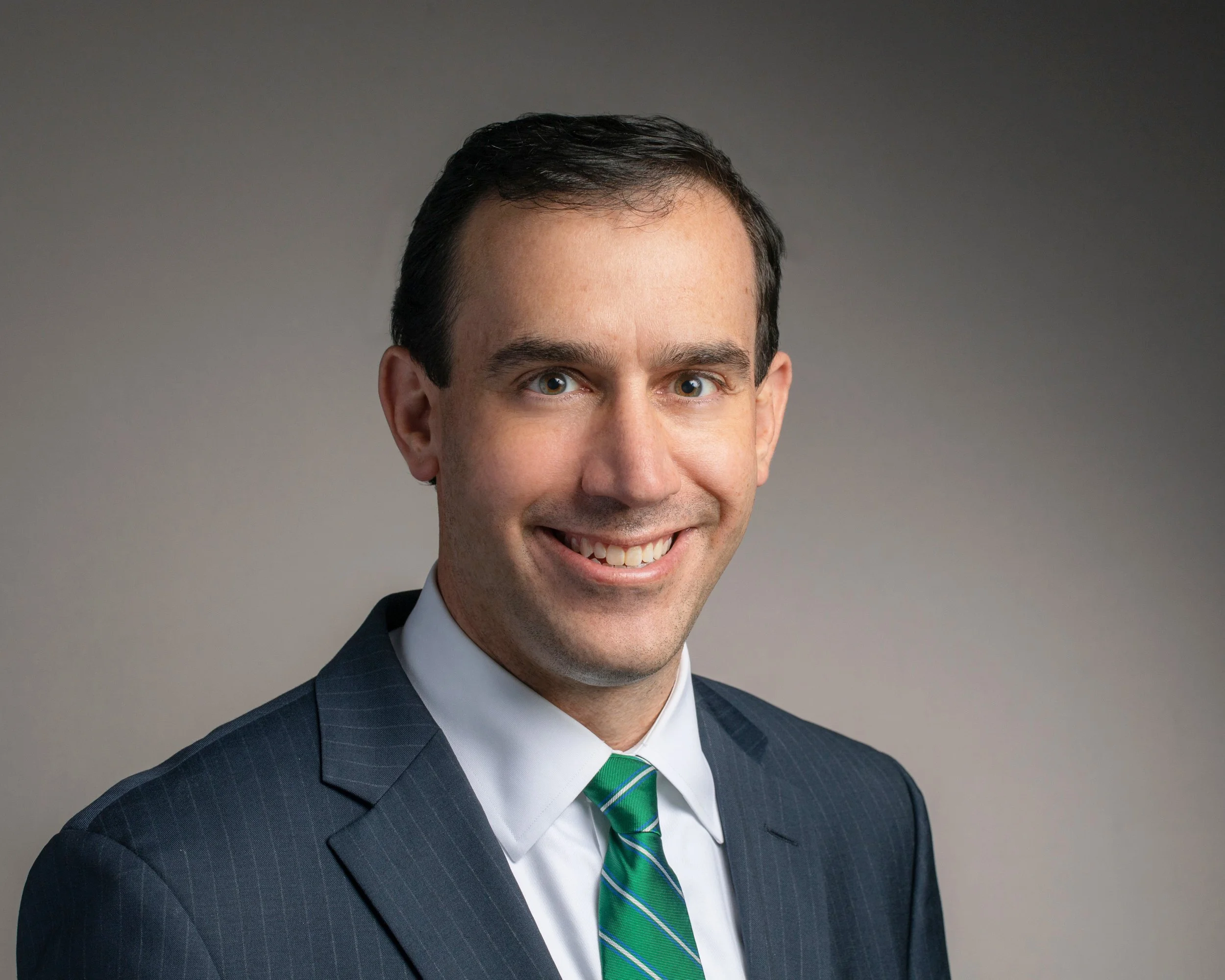
Ira Leeds, MD, FACS, FASCRS
Principal Investigator
Dr. Leeds is an Assistant Professor in the Department of Surgery's Division of Colon & Rectal Surgery at Yale School of Medicine. His clinical practice broadly covers benign and malignant diseases of the colon, rectum, and anus. As the Principal Investigator of the Surgery as a Social Science at Yale (SASSY) Lab, his research focuses on identifying and optimizing modifiable risk factors of abdominal surgery.
After obtaining an undergraduate degree at Princeton, Dr. Leeds taught high school science in Memphis, Tennessee, with Teach For America. Dr. Leeds attended medical school at Emory University and completed clinical training in general surgery at the Johns Hopkins Hospital. He then finished subspecialty training in colon and rectal surgery at the Cleveland Clinic in Cleveland, Ohio. Along with his clinical training, Dr. Leeds has also obtained additional postgraduate degrees in business administration from the University of Oxford and in clinical investigation from the Johns Hopkins Bloomberg School of Public Health.
The work of the SASSY Lab has been published in leading surgical and clinical journals (link to featured publications page), including The New England Journal of Medicine, JAMA and its network journals, Annals of Surgery, Journal of the American College of Surgeons, American Journal of Preventive Medicine, and Diseases of the Colon & Rectum. Research in the lab has been supported by the National Institutes of Health, the U.S. Department of Veterans Affairs Office of Research and Development, the American Society of Clinical Oncology, the American Society of Colon and Rectal Surgeons Research Foundation, the Association of VA Surgeons, and the New England Surgical Society.
Current
Atneciv Rodriguez
Community Research Fellow

“What excites me most about this research is its potential to humanize healthcare. To collect data and to be amplifying the lived experiences that often go unheard, especially in marginalized communities. I’m passionate about contributing to a body of work that centers people, not just their conditions.”
Bailey Thomson Blake
Medical Student
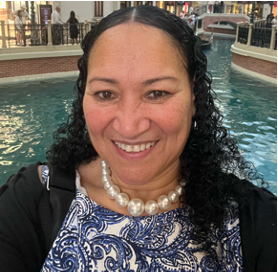
“One of the parts of this work I cherish most is being able to hold a space where patients can speak their truths without fear to share what they might never tell their medical providers. In mirroring their voices, I hope I honor their struggles, their resilience, and their right to be fully heard.”
“I’ve seen how patients’ unmet needs outside the hospital can complicate outcomes inside it. Surgical care requires more than clinical expertise: it means understanding the social and psychological factors that shape treatment and recovery. I’m grateful to be part of a lab that values this complexity and helps trainees turn those insights into meaningful research that can improve care for patients who need it most.”
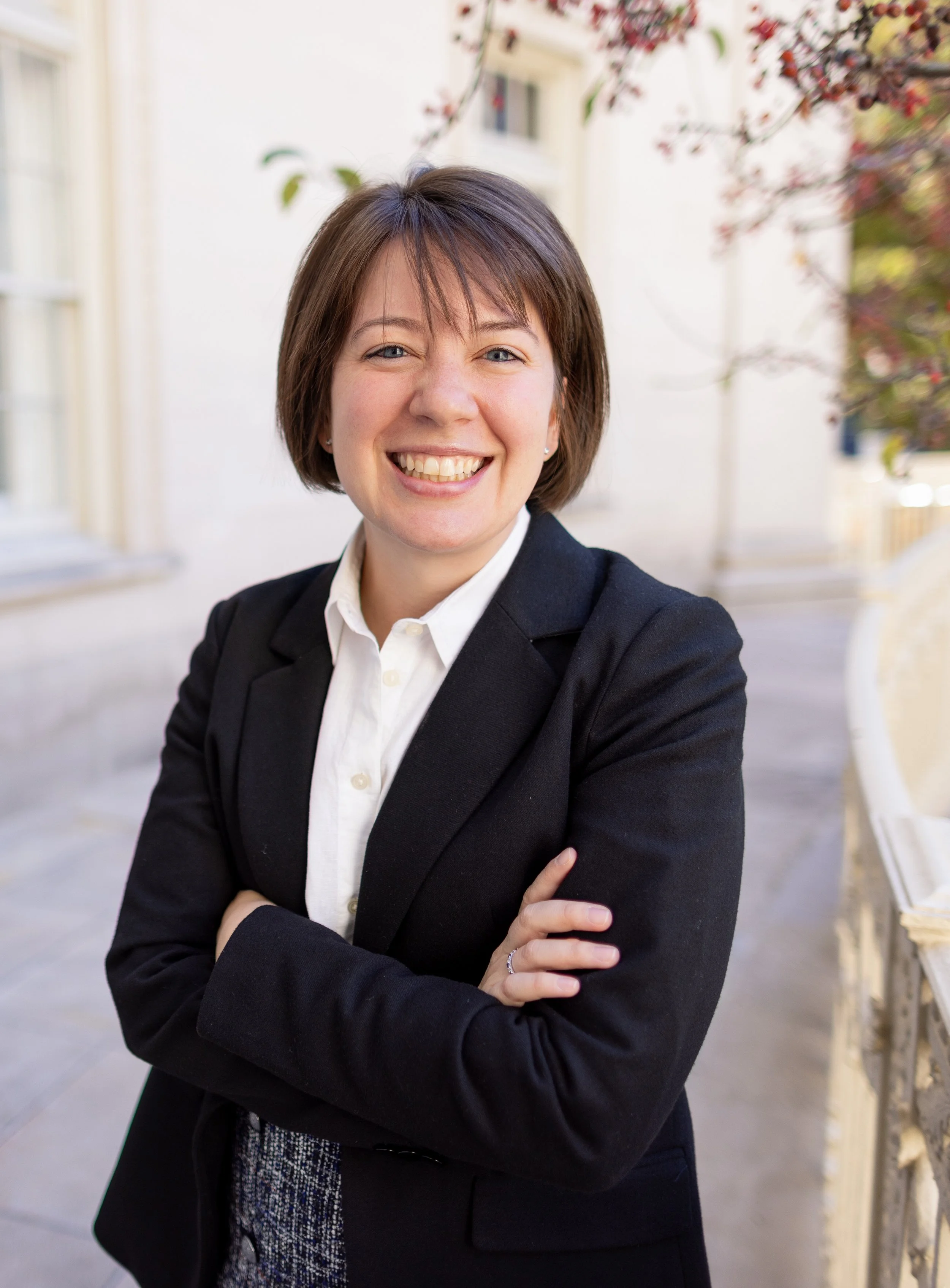
Caroline Richburg
General Surgery Resident
“Historically, surgical research has not allowed much space for qualitative methodologies. In studying a problem as intimate as psychological and social distress in the perioperative period, we owe it to the patients who trust us with their stories to center their voices and experiences. I'm so grateful to be part of a lab that amplifies our patients' voices by using creative research methodologies as a lever for change.”
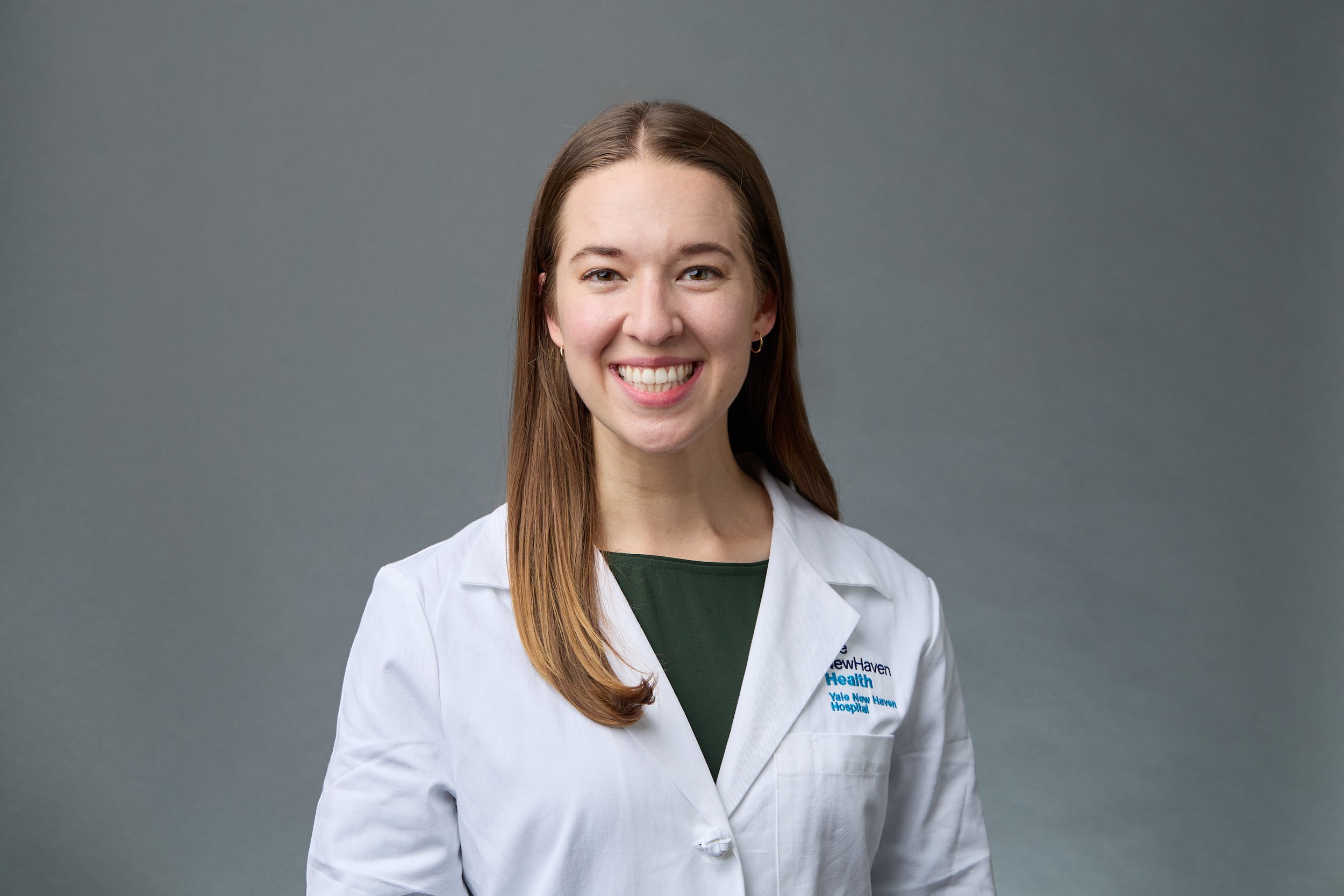
Kurt Schultz
General Surgery Resident
“Psychological and social factors are integral to overall health and well-being; however, most patients undergoing major surgery are not assessed for their unique psychosocial milieu. I’m grateful to be part of a lab committed to identifying modifiable sociobehavioral comorbidities before surgery and optimizing care for at-risk patients.”
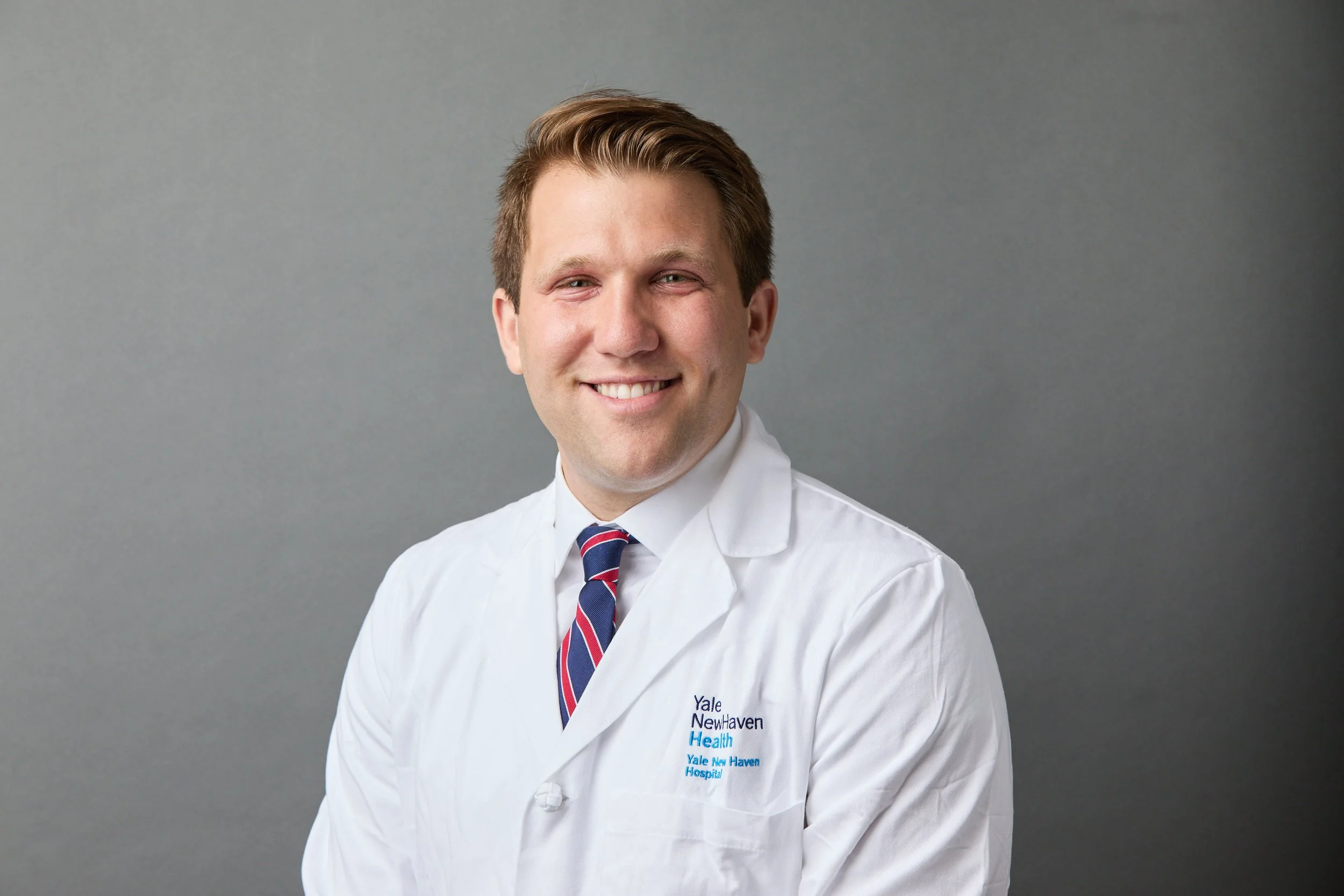
Louise Fenny
Undergraduate Research Assistant
“From my experiences interacting with patients in varied medical environments, as well as the perspectives shaped by my medical humanities classes, I have developed a deep passion for patient-centered healthcare. I believe understanding how sociobehavioral factors shape clinical outcomes is key to making healthcare more context-aware. As an aspiring oncologist, I am truly grateful to be a part of the SASSY Lab; the chance to participate in meaningful research coupled with the wonderful mentorship and support this lab provides gives me confidence that a future where patient journeys are factored into care is not only possible, but worth working towards.”
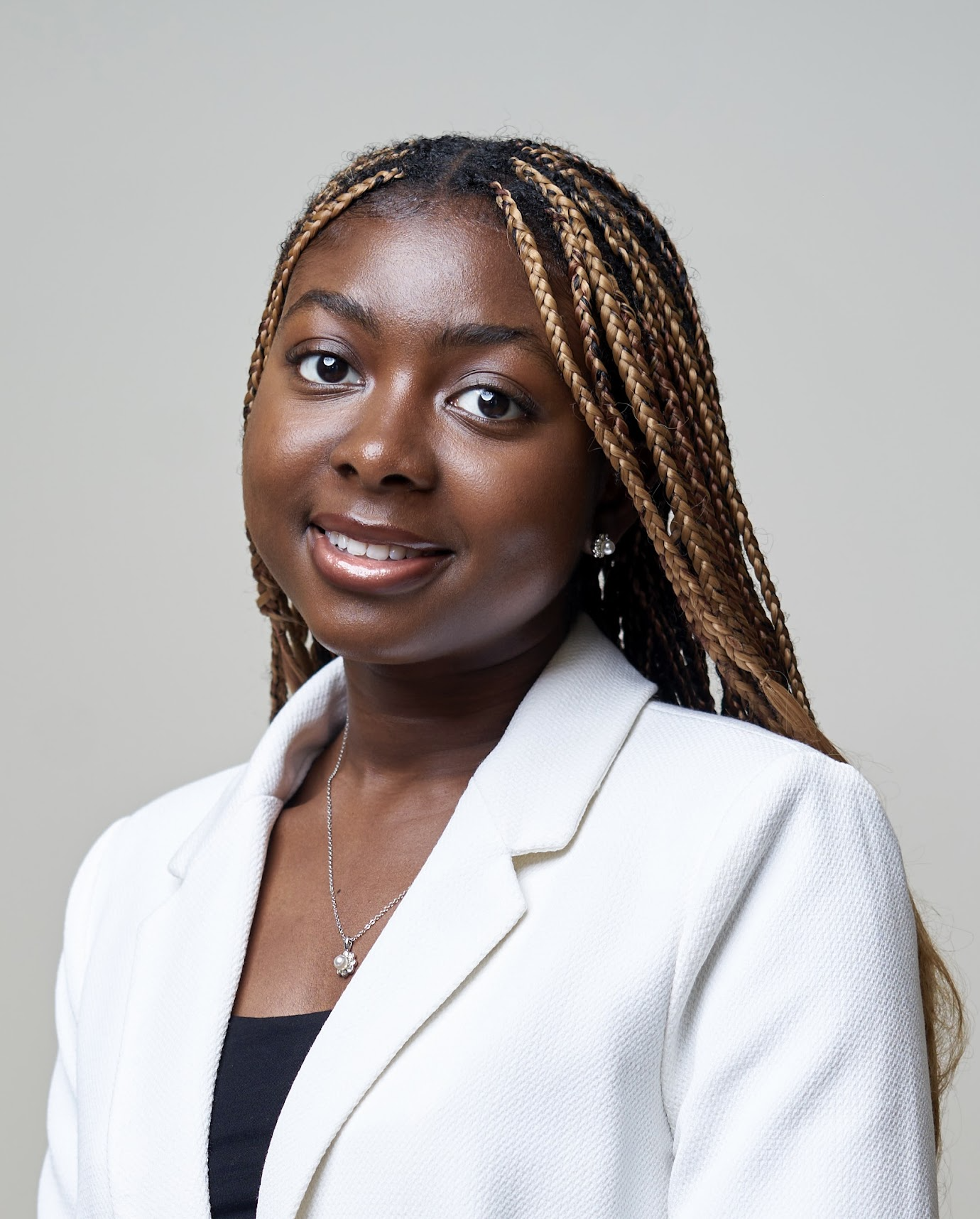
Madeline D’Aquila
General Surgery Resident
“I am excited to be part of a group dedicated to addressing complex sociobehavioral comorbidities affecting patients around the time of surgery using rigorous, thoughtful methodologies. By leveraging large datasets, natural language processing, and large language models, our work aims to identify modifiable risks and develop data-driven interventions that improve surgical outcomes and promote health equity.”
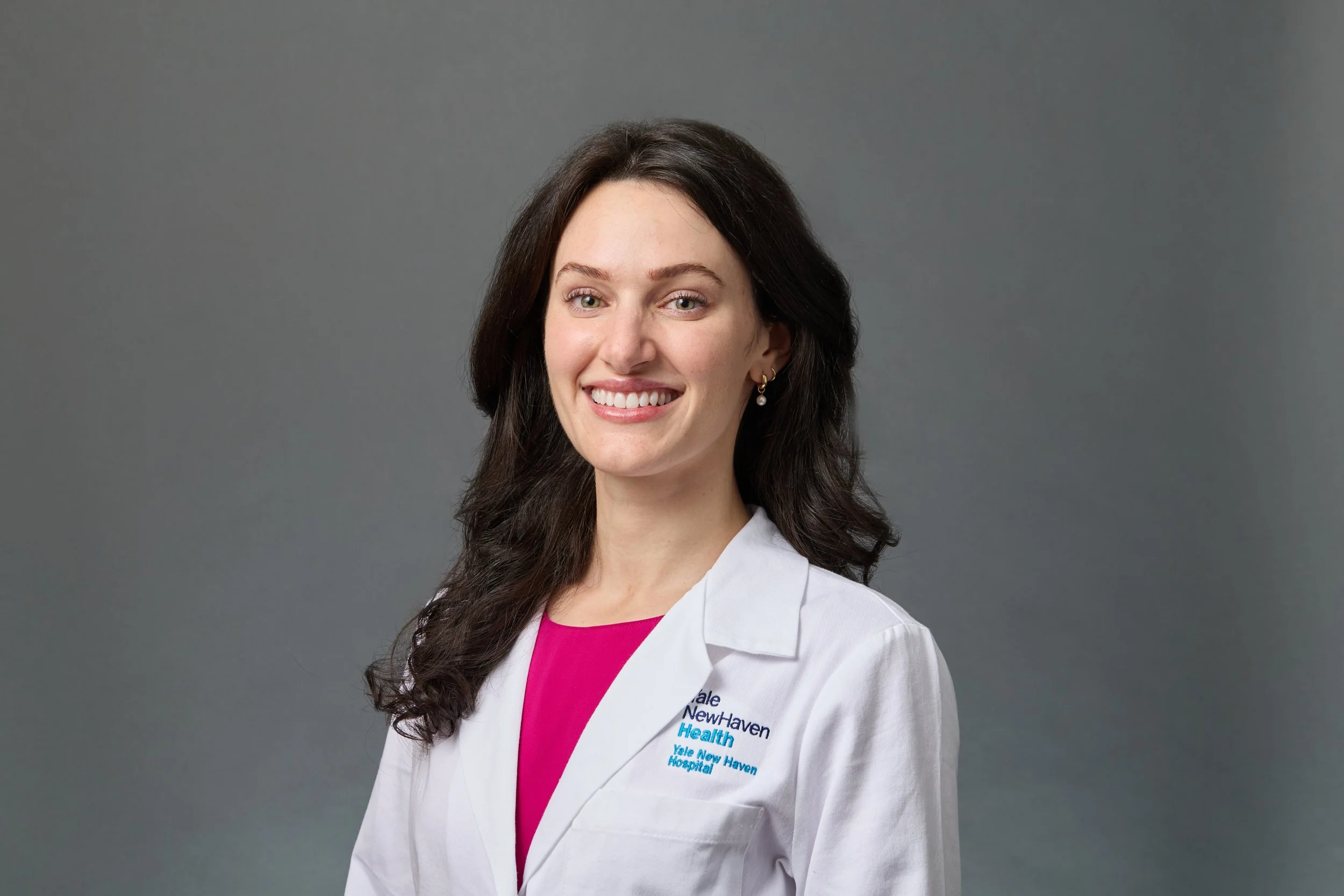
Mariana Palmett
Undergraduate Research Assistant
“Working closely with patients has shown me that what happens outside of the hospital can be just as important as what happens inside it. I’ve seen how family, culture, language, access to resources, and a patient’s own circumstances can shape their experience of illness and recovery, which is why SASSY’s work resonates so deeply with me. I’m excited to contribute to research that looks beyond a diagnosis to understand the person behind it and, ultimately, help make healthcare more responsive to the realities of patients’ lives.”

Marissa Artis
Community Research Fellow
Samantha Linhares
General Surgery Resident
“I am committed to optimizing surgical preparedness by identifying and implementing effective strategies for screening and managing psychosocial factors. I am highly motivated to translate research findings into actionable clinical improvements through close collaboration with key stakeholders involved in perioperative care with the support of the lab.”
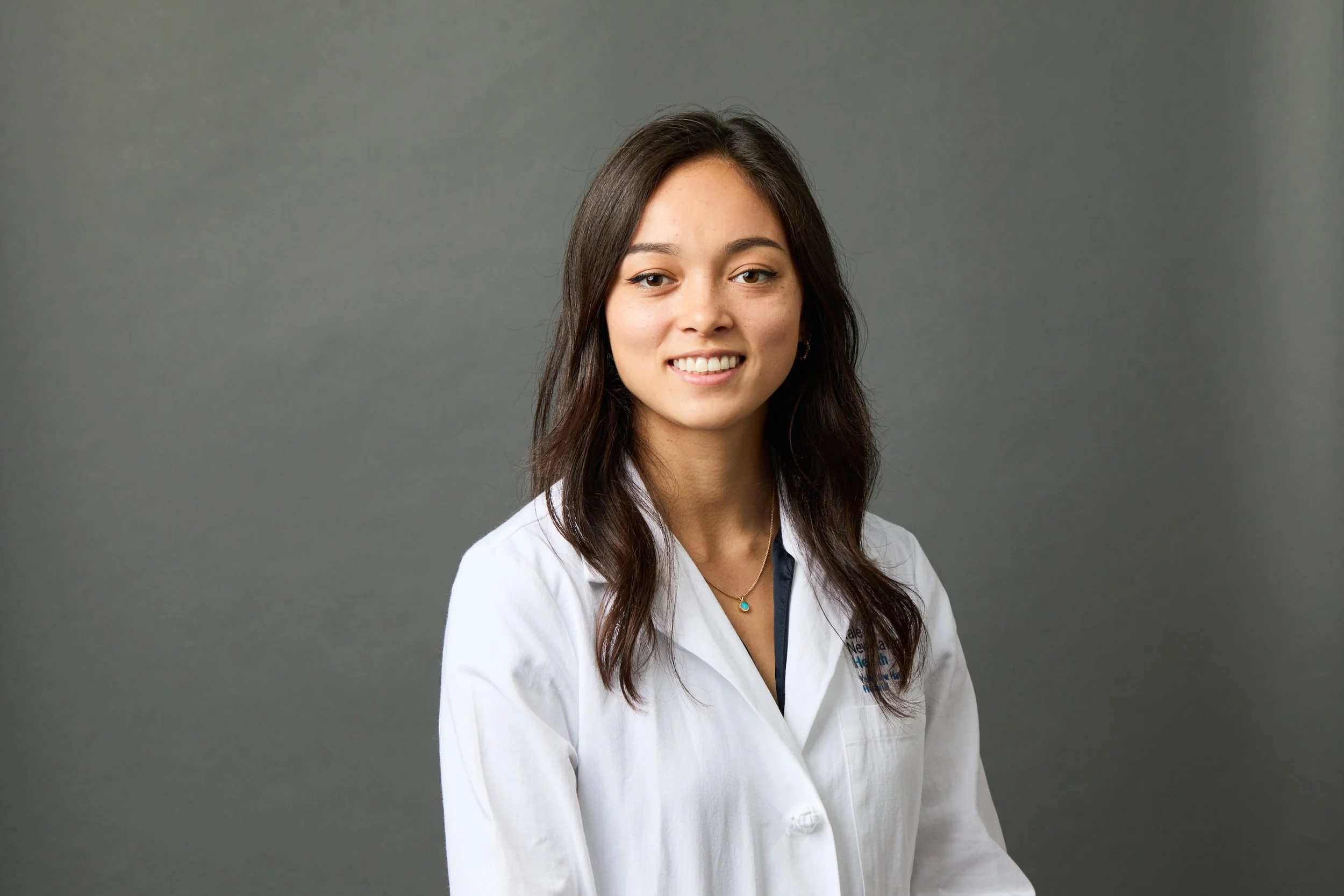
Tom Walter
Medical Student
“Third-party payers spend billions on healthcare each year. Additionally, for uninsured and underinsured patients, healthcare can be devastatingly expensive. Therefore, it is important to minimize the financial burden of surgical interventions in a way that doesn’t compromise outcomes, with the ultimate goal of maximizing the societal benefit of said interventions. I feel lucky to be a part of a lab committed to improving surgical outcomes with interventions proven to be cost-effective.”

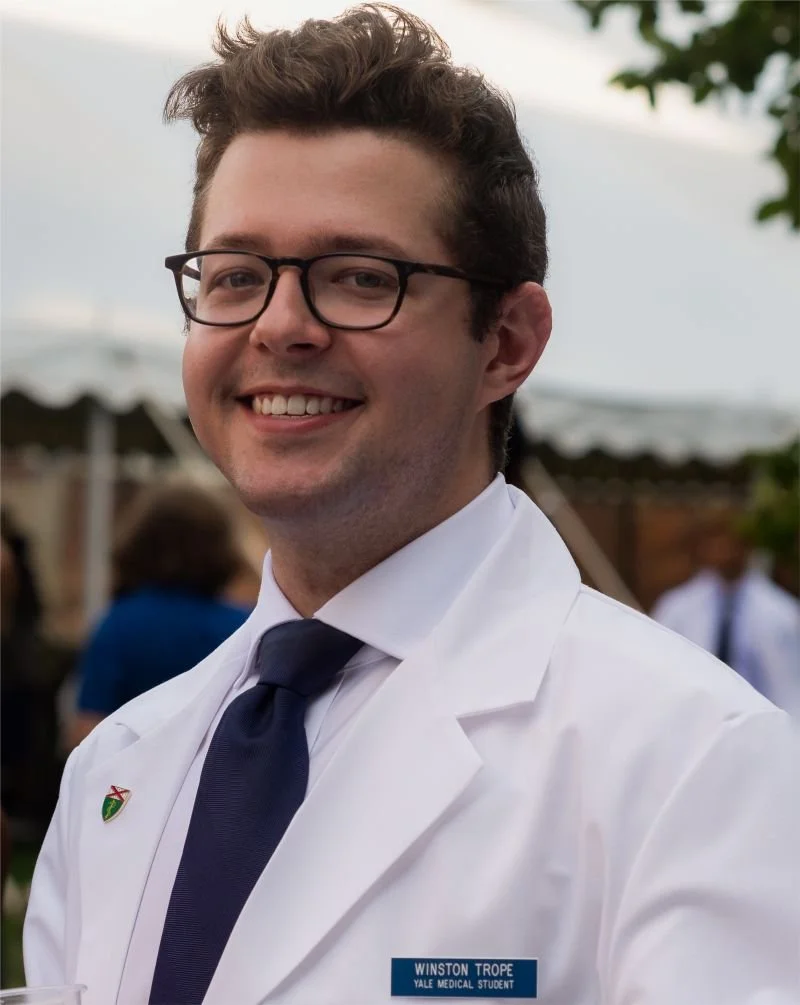
Winston Trope
Medical Student
“In my years as a research assistant before medical school, I saw the significant impact that sociobehavioral factors have on patients’ journeys through thoracic surgical care. I came to medical school to pick up the tools I need to guide patients' biological care. But working in the SASSY Lab, I have gotten to help grow the evidence base our profession needs to understand those many other factors in perioperative outcomes. As I move into my career in anesthesiology, I'm excited to apply our lab’s discoveries to ensure patients receive the highest level of care throughout the perioperative period.”
Yuqing Huang
Medical Student
“I constantly feel enlightened by conversations with patients pre-op about their psychosocial needs. The SASSY lab provides a unique opportunity for medical students to learn about firsthand perspectives on social determinants of health and explore how research can identify gaps and advance clinical care. I also feel extremely grateful for the mentorship I received about experimental design, data analysis, scientific presentation, and professional development.”

Alumni
Alicia Mohli, 2025
Anurag Pratap, 2023
Arrow Dill-Macky, 2022
Eliza Epstein, 2024-25
Emeri Tompkins, 2025
Hannah van Dusen, 2024
Larry Ejiofor, 2026
Uday Dhanda, 2024-25